
The logistics industry is undergoing a structural transformation. For decades, global shipping has relied heavily on manual coordination to navigate extreme operational complexity. Today, driven by unprecedented rate volatility, mounting documentation requirements, and strict regulatory compliance obligations, freight forwarding is rapidly becoming an AI-assisted industry.
In 2026, AI in freight forwarding is no longer just a technology trend; it is a baseline requirement for operational survival. From freight rates to autonomous document processing, artificial intelligence is reshaping how freight forwarders, NVOCCs, logistics operators, and shippers manage the global movement of goods.
This article examines the operational shifts redefining digital freight operations and how logistics companies are transitioning toward intelligent automation.
Why Freight Forwarding Has Historically Been Manual
Historically, global supply chains have been built on disconnected data silos. Because every international shipment involves multiple stakeholders—carriers, forwarders, customs brokers, and port authorities—standardizing communication has been a massive challenge.
This fragmentation created legacy bottlenecks that have historically forced logistics operations to remain highly manual:
- Rate Sheets in Spreadsheets: Managing volatile ocean and air freight rates using static spreadsheets, making accurate, real-time pricing nearly impossible.
- Manual Quoting: Calculating margins, surcharges, and routing options by hand, leading to delayed responses to shippers.
- Email-Driven Operations: Relying on unorganized email threads to manage shipment tracking, exceptions, and carrier communications.
- Documentation Bottlenecks: Manually re-keying data from commercial invoices, packing lists, and Bills of Lading (BOLs) into Transportation Management Systems (TMS).
- Customs Compliance Complexity: Navigating complex, frequently changing border regulations and security filings with manual data entry, increasing the risk of costly penalties.
Where AI Is Already Changing Freight Operations
In 2026, logistics AI software is actively dismantling these legacy bottlenecks by targeting high-volume, repetitive tasks. AI is not just analyzing data; it is executing workflows. The most significant operational transformations include:
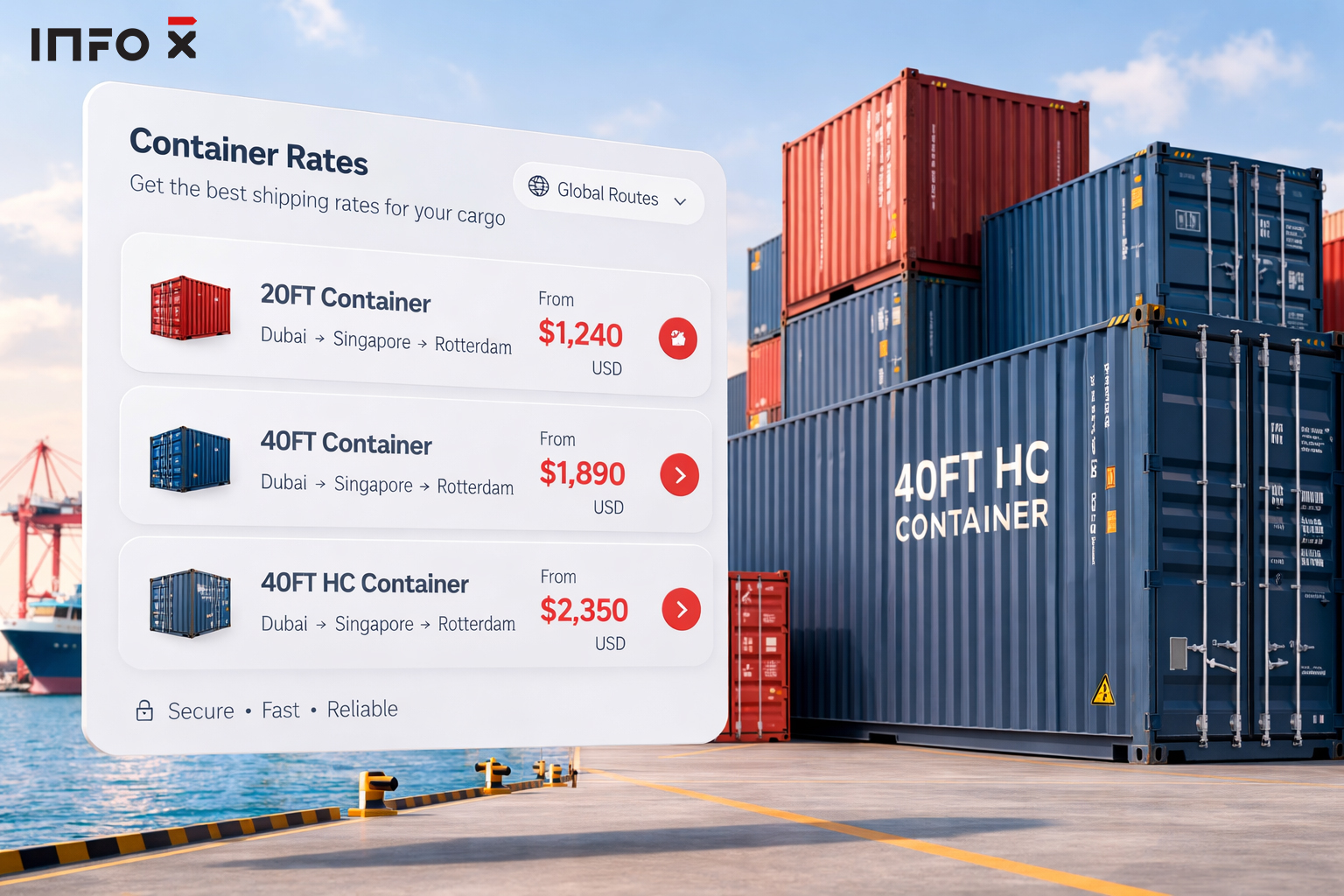
Forwarders are moving away from manual calculation. Utilizing AI, platforms can ingest millions of data points across carrier contracts and spot rates to generate instant, accurate pricing. The AI freight quoting enables sales teams to respond to customer inquiries in seconds rather than days.
Modern document automation for logistics leverages advanced machine learning and Optical Character Recognition (OCR) to instantly extract data from unstructured documents (like PDFs and scanned BOLs) and populate the TMS automatically, virtually eliminating manual data entry.
AI-powered email response systems can now read incoming emails from shippers, parse the intent (e.g., a quote request or tracking update), and automatically generate or draft a highly accurate response based on real-time system data.
AI rate follow-up systems track sent quotes and autonomously engage with shippers to secure bookings. Meanwhile, operational decision support systems flag potential supply chain disruptions before they occur.
Errors in customs documentation result in rolled cargo and severe fines. AI systems now proactively cross-reference shipment data against global compliance mandates, automating pre-departure filings and risk assessments.
The Rise of Autonomous Freight Operations
We are witnessing the rise of the AI-assisted logistics team. Instead of operators spending 80% of their time moving data between screens, they are shifting to exception management.
Autonomous freight operations in 2026 look like this:
- Instant Freight Quoting: An exporter requests a rate via email. The AI parses the request, compares routing options via AI freight rate management tools, and replies instantly with a highly competitive quote.
- AI-Driven Document Checks: Once booked, shipping instructions are ingested, and an AI agent verifies all compliance and commercial data for discrepancies.
- Automated Follow-Ups on Lost Quotes: If a quote is not booked within 48 hours, the system automatically emails the customer to negotiate or offer alternative routings.
- AI-Powered Customs Filings: Critical border compliance, such as ICS2 filing compliance, AMS filing services, and AES filing automation, is triggered automatically using structured data extracted directly from the commercial documents.
What Freight Forwarders Must Prepare For
To remain competitive, freight forwarders and NVOCCs must prepare for fundamental operational shifts. Adopting AI logistics automation requires strategic realignment:
- Data-Structured Logistics Systems: AI requires clean data. Forwarders must transition from siloed spreadsheets to unified, cloud-based TMS platforms.
- Automation-Driven Operations: Companies must map their standard operating procedures (SOPs) and identify which repetitive tasks can be handed over to AI agents.
- Faster Quoting Expectations: Shippers in 2026 expect Amazon-like speed in B2B logistics. Forwarders who cannot quote instantly will lose market share to digital-first competitors.
- Reduced Manual Operations Teams: The focus of the workforce will shift from data entry clerks to strategic logistics analysts and relationship managers.
- AI-Assisted Decision Making: Procurement and routing will rely heavily on predictive analytics rather than gut feeling.
How Logistics Technology Platforms Are Enabling This Shift
Transitioning to digital freight operations does not require building proprietary AI from scratch. Modern enterprise logistics technology platforms are providing the infrastructure necessary to power these shifts.
Today's market leaders rely on sophisticated platforms equipped with digital freight rate management systems, automated customer communication tools, and integrated customs filing automation systems. Companies like Info-X, which has been building automation software for forwarders and NVOCCs since 2001, supply the foundational architecture, ranging from rate matrix management to AI freight quoting platforms, that enables logistics companies to seamlessly integrate AI supply chain technology into their daily workflows without disrupting existing operations.
Conclusion
AI will not replace freight forwarders. However, freight forwarders utilizing AI will inevitably replace those who do not.
Artificial intelligence in 2026 is eliminating the inefficient, manual workflows that have historically throttled the global supply chain. The future of freight forwarding automation is fundamentally automated, data-driven, real-time, and AI-assisted. By embracing these technological shifts today, logistics providers can lower operational costs, enhance compliance, and deliver superior value to their global customers.